Agentic Automation

Automate the business workflows that matter, with agents built to last.

We start from the business outcome, then decide where AI agents earn their place and where a simpler approach wins.

Where the work starts
A business outcome worth the effort
Agents earn their place build it, enterprise-grade
A simpler approach wins say so, and save the spend
The first job is telling which workflows actually need an agent.
The problem

Most AI initiatives fail because they start in the wrong place.

They start with models instead of workflows. Successful agent systems begin by identifying where AI creates measurable business value, and only then move into architecture and implementation.

1Business valuestart here
2Workflow
3Architecture
4Build & evaluate

The model is an implementation detail near the end. The business value is where the work begins.

Why the usual approach falls short

Three ways agent projects stall

01

It starts with the model, not the problem

Teams pick a framework or a model and look for somewhere to use it. The workflow, the business value and the constraints come later, if at all.

02

There is no way to tell if it works

Without evaluations, an agent that looks impressive in a demo has no measurable reliability in production. Confidence stays anecdotal until something breaks.

03

Governance and compliance come last

Data boundaries, human oversight, auditability and EU AI Act obligations get bolted on after the build, when they are far more expensive to retrofit.

Have a workflow you think AI could handle? Let's pressure-test it.

Book an introductory call
How I think about it

The goal is a business outcome, not an agent.

Agentic AI is one option among several. The work begins with the process and the value at stake, then asks whether agents are the right tool, and only then moves to architecture and implementation. When agents are the answer, they are built to the same standard as any production system.

  • Start from the business outcome, not the technology.
  • Agents earn their place, or a simpler approach wins.
  • Production-grade from day one: orchestration, evaluations, observability and governance.
Built to enterprise standards
Workflow orchestrationEvaluationsObservabilityHuman-in-the-loopGovernanceEU AI Act compliance

Designed in from the start, not retrofitted once the system is in production.

How we can work together

From discovery to a system in production

Most work starts with discovery. The rest follow from what it finds, and you can stop at any stage that answers the question.

Identify where AI can create measurable business value.

AI Workflow Discovery

Not every workflow should become an AI workflow. This engagement identifies repetitive, knowledge-intensive processes, evaluates their technical feasibility and prioritizes the opportunities with the highest business impact before any implementation begins.

You walk away with A prioritized portfolio of AI opportunities, expected business impact and a clear implementation roadmap.
Design reliable AI systems before writing the first line of code.

AI Agent System Design

Successful AI systems require much more than selecting a model. Together, we'll design the complete solution, including agent responsibilities, orchestration, memory, human approval points, observability, evaluation and security.

You walk away with A production-ready architecture and implementation blueprint that your engineering team can build with confidence.

Move from architecture to production with confidence.

AI Agent System Implementation

Working alongside your engineering team, we'll build and deploy production-grade AI systems tailored to your business. Every implementation focuses on reliability, maintainability and measurable business outcomes rather than impressive demos.

You walk away with A production-ready AI system that integrates with your existing workflows and delivers measurable business value from day one.

Build the capability to design and operate AI systems yourself.

AI Agent Engineering Coaching

Technology alone doesn't create successful AI systems. Through hands-on workshops, design sessions and mentoring, I help engineering teams develop the skills required to build, evaluate and operate multi-agent systems with confidence.

You walk away with An engineering team that understands how to design, build and continuously improve reliable AI systems without depending on external consultants.

Wondering where to start? Bring the process, we'll scope it together.

Book an introductory call
Why me

Built from shipping, not slides.

I am the co-founder and CTO of Atherio, where I run a production platform day to day. Fifteen-plus years in software architecture and engineering leadership, and 200+ talks and workshops, sit behind every recommendation. I work on agentic systems the way I work on any production system: from the business outcome, with evaluations and governance built in.

Read how I think
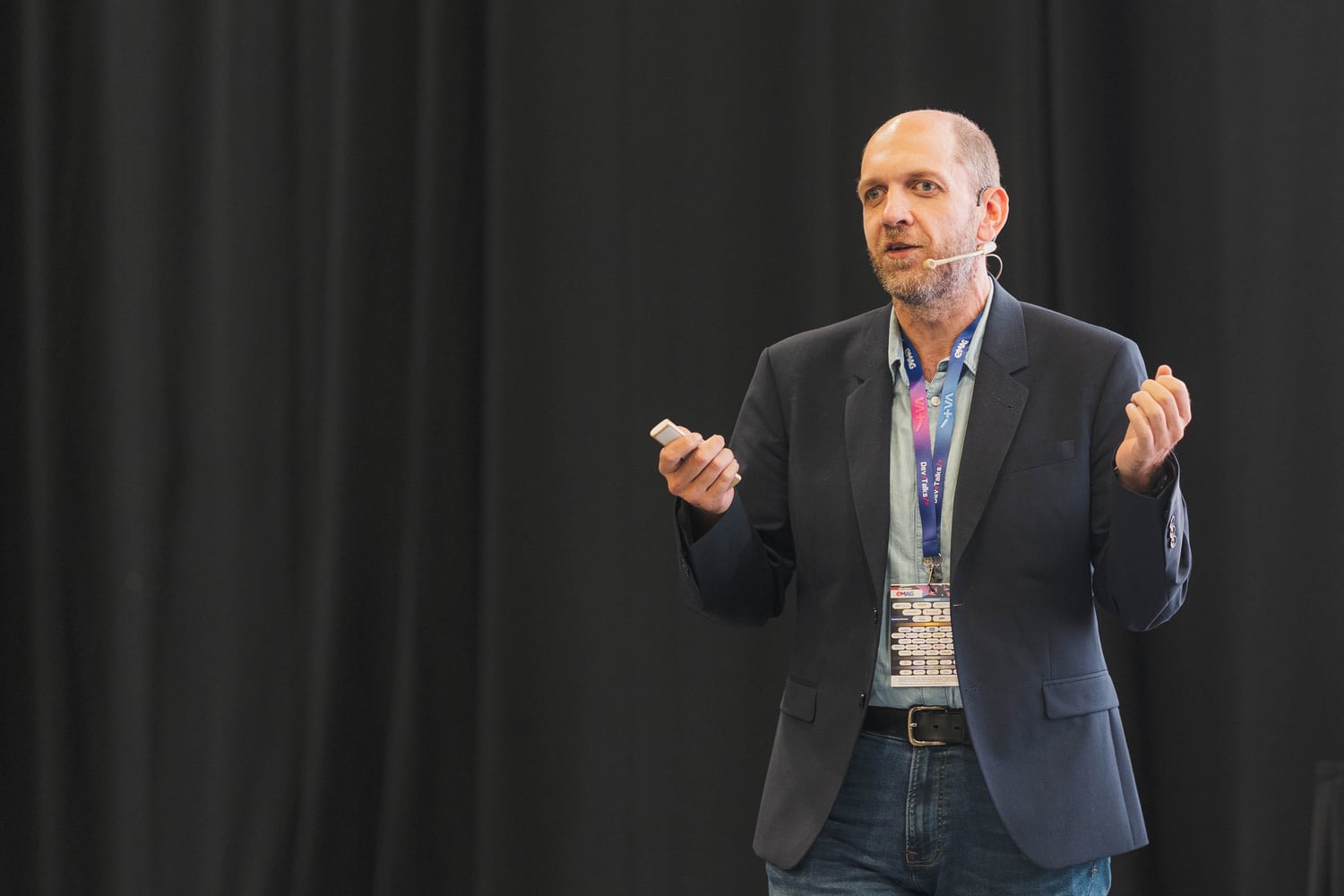
Dan Patrascu-Baba speaking on stage at DevTalks
Common questions

Before you book

How do you decide whether something needs an AI agent at all?

We start from the business outcome and the constraints. If a rules-based or traditional approach gets you there more reliably and cheaply, that is the recommendation. Agents are for workflows where their judgment and flexibility genuinely earn the added complexity.

What does 'enterprise-grade' actually mean here?

Orchestration that is observable and testable, evaluations that measure reliability, human oversight where it matters, and governance and EU AI Act obligations designed in from the start rather than retrofitted.

How do you measure whether an agent is reliable?

With evaluations: representative test sets, success criteria defined up front, and monitoring in production, so reliability is a number you can track rather than an impression from a demo.

Do you build, or only advise?

Both. Some engagements stop at discovery and architecture; others go through to a production implementation and the evaluation and governance around it.

Let's find the workflow worth automating.

Bring the business process you are considering. The first conversation is about whether agents are the right tool, and what it would take to build it properly.